
A UC Davis Graduate Student Blog

Month: December 2019

I Spy…

Written by: Emily Cartwright

Edited by: Ellen Osborn


       As graduate students, we are taught to think critically about scientific publications, but how prepared are we to spot images that are not what they seem? Scientific data takes on many forms and is presented in graphs, photographs and tables in a finished publication, creating a complex task for those synthesizing and interpreting the results of studies. Images often make up a sizable proportion of this data and can easily be taken at face value; after all, it is an image of something real, right? This has often been my attitude towards images in papers. However, recent work primarily headed up by Elisabeth Bik, has brought to light just how common image manipulation is in scientific publishing.

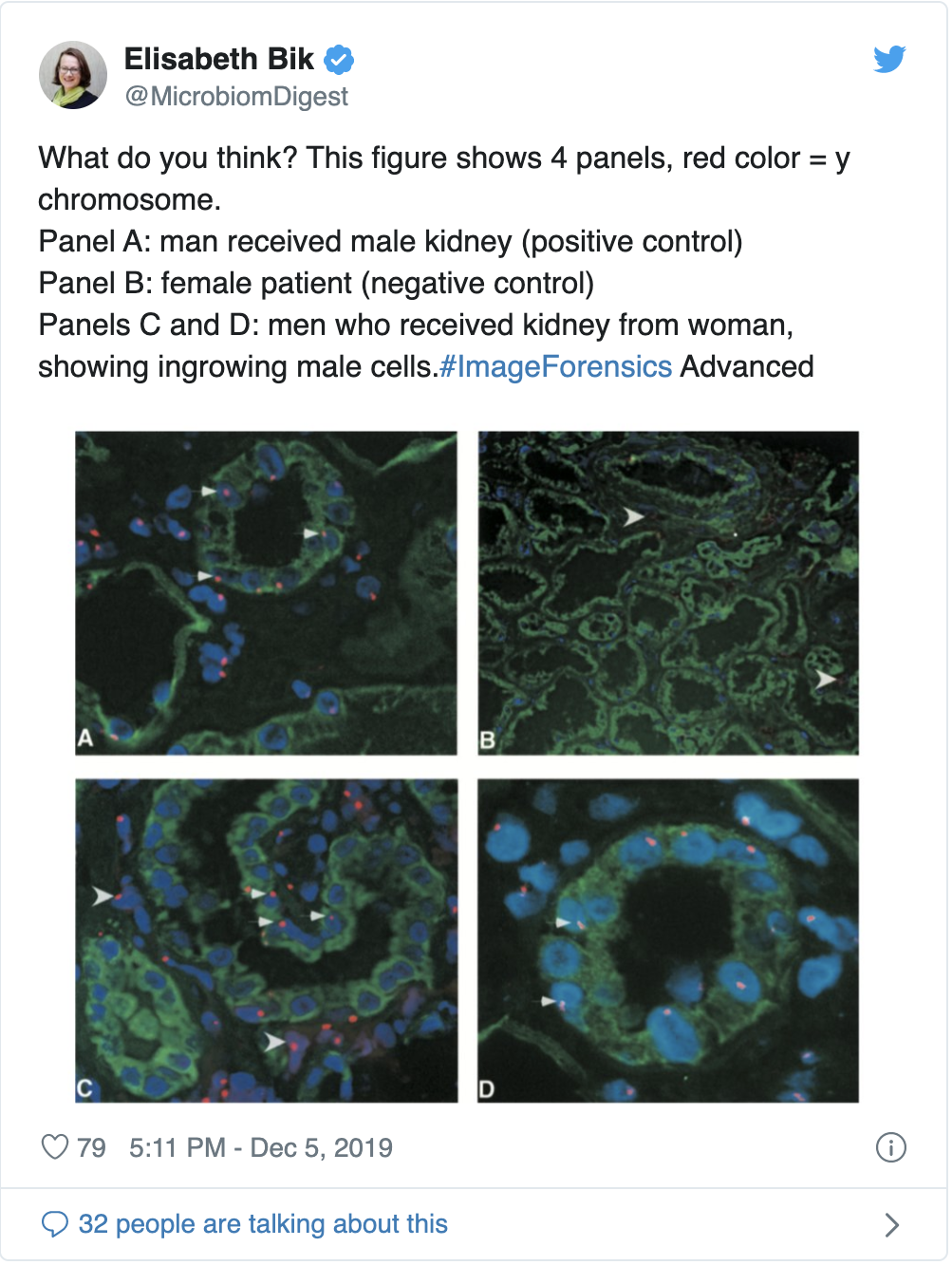
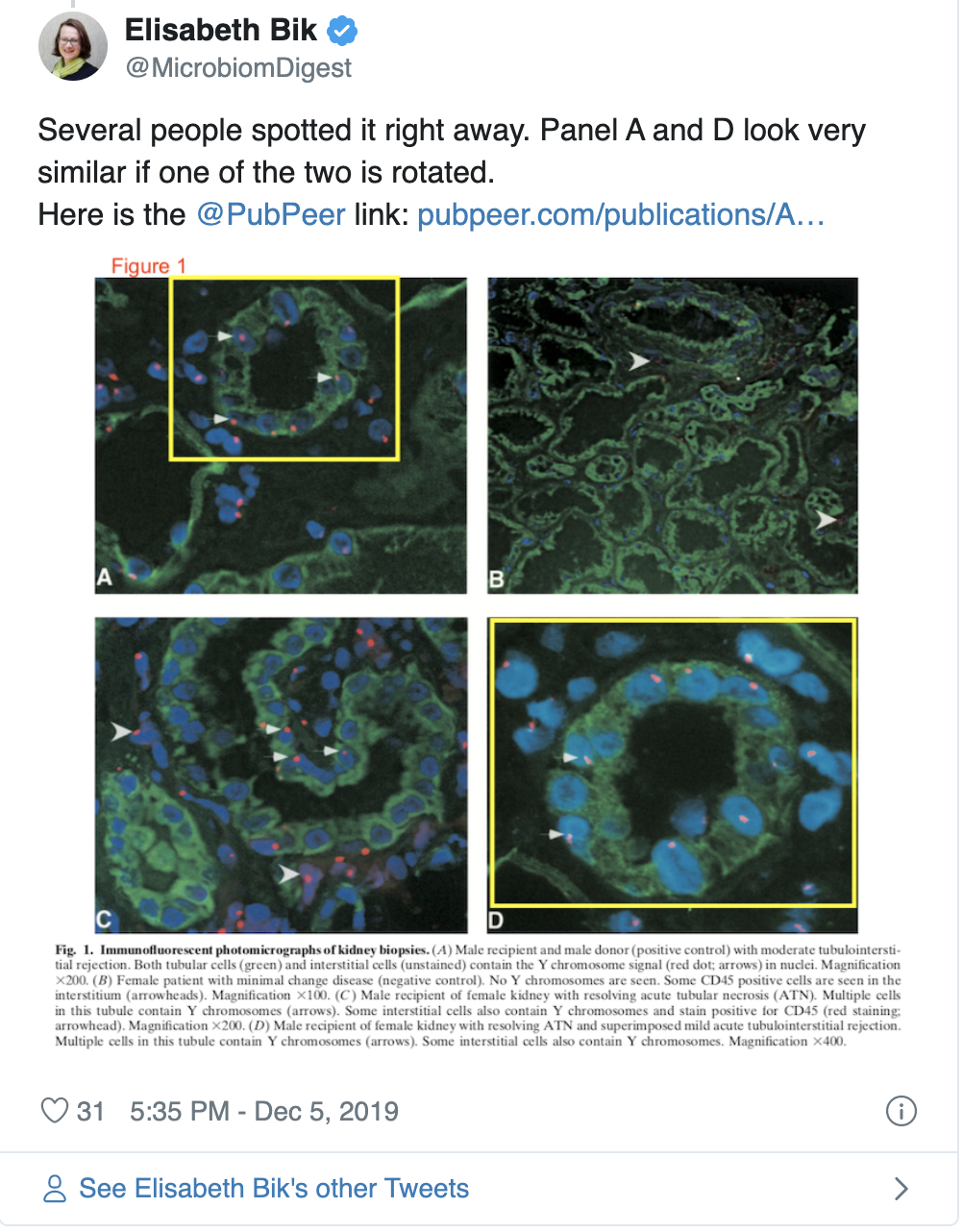
         Elisabeth Bik, a scientist who worked at Stanford University for over a decade, conducts studies on image duplications, a specific type of image manipulation, and brings attention to this issue on her Twitter account. Bik posts images that she suspects have been manipulated on Twitter and often asks others to see if they can spot the duplications that she has found, in a slightly dark game of “I Spy”. Her posts help bring attention to what is becoming an important issue, as both intentional and unintentional image duplications are not uncommon in scientific publishing. A study by Bik, et al. 2016 found approximately 4% of all biomedical publications (sampled across 40 journals) contain some form of image duplication in them, either with unintentional or intentional manipulation, and in a more generalized, self-reported study, roughly 2% of scientists admitted to manipulating data in their work (Fanelli, 2009).
An intensive study published by Fanelli, et al. in 2019 rigorously tested if several parameters contributed to whether or not papers were more likely to contain duplicated images. The study sampled over 8,000 papers published by PLOS One between 2014-2015 and tested if pressure to publish, peer-review, implementing misconduct policies, or gender had any effect on the likelihood of papers to contain manipulated images. The study identified that social control (the level oversight placed on researchers by academic institutions, peers, etc.), cash-based incentives, and whether countries had legal policies in place for image falsifications in academic publishing all contributed to whether image manipulations were likely to occur. In contrast, the author’s gender did not play a role in whether papers were more likely to contain manipulated images. It is important to note that despite image manipulations occurring in noticeable numbers, not all duplications were thought to occur because of an intent to distort data. The types of manipulations identified ranged from unintentional mislabeling to cutting and pasting parts of images, which would be more indicative of an intention to mislead.

The question then becomes, what can be done to identify image manipulations and, ultimately, catch them before they are published? While researchers are actively working to identify duplicated images by eye, others are working to develop software that may be used to catch manipulations before publication. Work by Acuna, et al. 2018 provides a method to detect the duplication of images by comparing images across papers published by the same first or last author. One important limitation of such a method is that it becomes increasingly complex to compare images within a paper to all previously published work; it is why the authors of the method limited the comparisons to works published by the same first or last author. Further, figures can include complex components such as mathematical equations, which may be replicated across publications, or contain objects such as arrows within them that may be duplicated across images. These appropriately duplicated components are mistakenly flagged as image manipulations using the developed software. While these issues present complications when using software that can identify duplication across figures, the authors of this method propose that if journals were to implement the use of such software, that it could deter people from knowingly publishing duplicated images.

In addition to the development of software meant to catch duplications, Fanelli, et al. propose that preventative approaches, such as making and enforcing misconduct policies and promoting research criticism, can help reduce image manipulation in academic research. While this approach rightly aims to change the academic culture that reportedly encourages image manipulation, it will take time for the scientific community to see any effects. In the meantime, what can we be doing to read and think critically of scientific papers, knowing that image manipulation is an existing issue? To keep up to date on the latest in image integrity, and to see what someone with sharp eyes can catch, you can follow Elisabeth Bik on Twitter or look to places such as retraction watch


References: 

  1. Acuna D. E., P. S. Brookes, and K. P. Kording, 2018 Bioscience-scale automated detection of figure element reuse. Biorxiv 269415. https://doi.org/10.1101/269415
  2. Bik E. M., A. Casadevall, and F. C. Fang, 2016 The Prevalence of Inappropriate Image Duplication in Biomedical Research Publications. Mbio 7: e00809-16. https://doi.org/10.1128/mbio.00809-16
  3. Fanelli D., 2009 How Many Scientists Fabricate and Falsify Research? A Systematic Review and Meta-Analysis of Survey Data. Plos One 4: e5738. https://doi.org/10.1371/journal.pone.0005738
  4. Fanelli D., R. Costas, F. C. Fang, A. Casadevall, and E. M. Bik, 2018 Testing Hypotheses on Risk Factors for Scientific Misconduct via Matched-Control Analysis of Papers Containing Problematic Image Duplications. Science and Engineering Ethics 25: 771–789. https://doi.org/10.1007/s11948-018-0023-7 


Additional Articles on Image Duplications:

A recent case of image duplication: https://www.sciencemag.org/news/2019/09/can-you-spot-duplicates-critics-say-these-photos-lionfish-point-fraud

You Eat What You Are

Written by: Sydney Wyatt

Edited by: Hongyan Hao

How nutrigenomics and other genetic information contribute to personalized health in the age of direct-to-consumer genetic testing.

Nutrition has long been touted as a disease-fighting tool. Vitamin C supplements cure scurvy. Diets low in phenylalanine, an amino acid found in protein and some artificial sweeteners, keep phenylketonuria patients’ symptoms at bay. The ketogenic diet was invented to treat epilepsy. However, some of these tools have taken on new, sometimes inaccurate, benefits and companies have exploited these perceived benefits, profiting off of misinformed consumers. A popular example is the use of vitamin C to prevent or cure the common cold. There is no evidence to support this claim, yet the companies behind Airborne and Emergen-C profit off this misguided belief.


That being said, nutrigenetics and nutrigenomics aim to treat and manage genetic diseases like phenylketonuria that rely heavily on dietary adjustments to ease symptoms. However, there is a push to leverage these fields for personal health regardless of disease. With the increase of direct-to-consumer (DTC) genetic testing — 23andMe, AncestryHealth, Orig3n, Helix, etc. — consumers have access to genetic information about their risk of certain diseases and, based on self-reported information on their lifestyle, can get insight as to how these factors play into pre-existing genetic conditions. This information can be powerful, but making changes without a physician’s guidance “may harm the consumer’s health and finances.” Combine this with anecdotal evidence of certain diets managing cancer risk and symptoms, and nutrigenomics can quickly become unreliable at the consumer level. 


Nutrigenomics complements the precision medicine movement by attempting to understand genetic responses to diet and leveraging that information to improve dietary guidelines. Hundreds of studies have attempted to demonstrate gene-lifestyle interactions for obesity and type 2 diabetes, but they had many limitations. For instance, these studies had small sample sizes that were inadequate for statistical analysis and relied on imprecise self-reported dietary and lifestyle data. Recent efforts to replicate the reported findings have failed, therefore the conclusions are unreliable at best. 


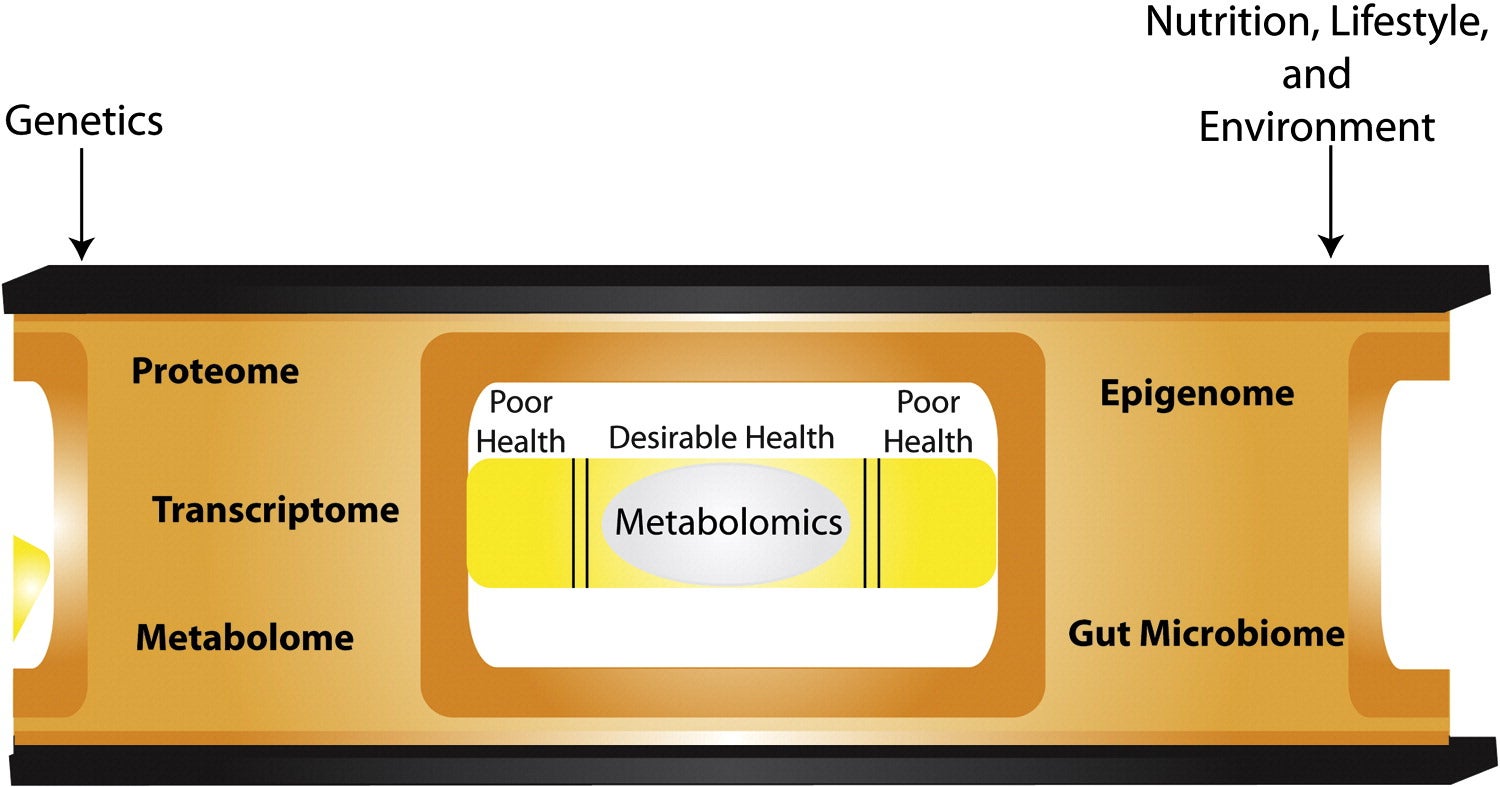
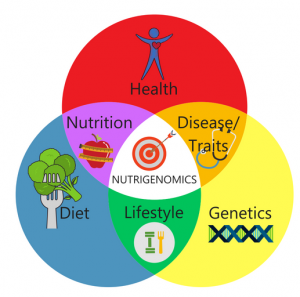
A number of factors contribute to health. If these are not properly balanced, there can be negative consequences. This illustrates how important it is to investigate more than just genetics and genomics when creating personalized health plans.


DTC genetic tests using a single locus to evaluate disease risk are not considered medically actionable. As a result, consumers can jeopardize their health by making changes based on this information. Famously, 23andMe received a letter from the US Food and Drug Administration (FDA) in 2013 expressing serious concerns over the results the company provided. The FDA claimed there was too much room for error when testing for diseases like breast cancer using a single locus (BRCA):


“Some of the uses … are particularly concerning, such as assessments for BRCA-related genetic risk and drug responses … because of the potential health consequences that could result from false positive or false negative assessments for high-risk indications such as these. For instance, if the BRCA-related risk assessment for breast or ovarian cancer reports a false positive, it could lead a patient to undergo prophylactic surgery, chemoprevention, intensive screening, or other morbidity-inducing actions, while a false negative could result in a failure to recognize an actual risk that may exist.”


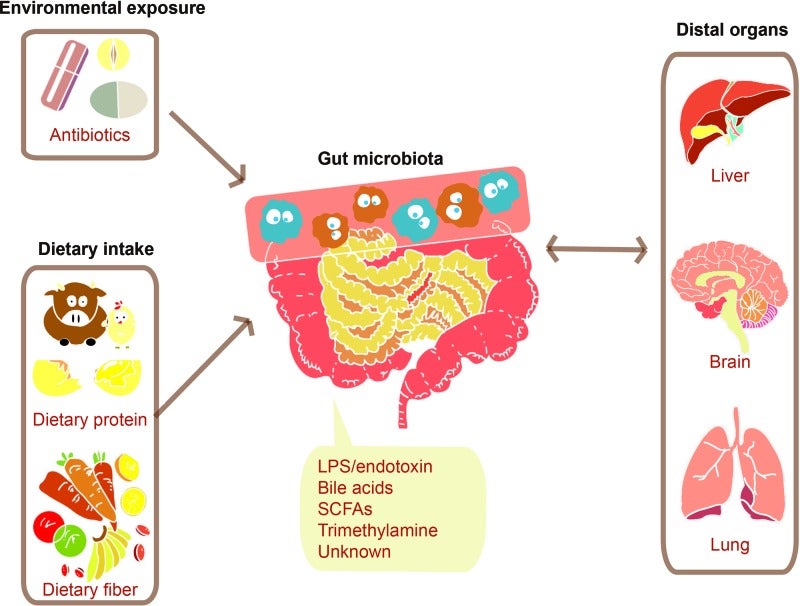
Environmental factors and diet can change the gut microbiome. This can have many effects on distal organs.

The letter continues to explain that consumers may self-manage treatment based on drug response testing with potentially deadly consequences. In the years since, 23andMe has received FDA approval to provide genetic information such as BRCA1/2 breast cancer risk, MUTYH-associated colorectal cancer risk, type 2 diabetes, and Parkinson’s disease. The majority of the test results consist of ancestry and trait reports, which have no medical relevance.


There are too many unknowns for a consumer to DIY a personalized nutrition plan based on their genetic test results alone. However, discussing the results in conjunction with factors such as family medical history and current health status with a physician is a safer way to personalize health. There are other “omics” that can provide more comprehensive information for health management strategies than genomics and nutrigenomics. Metabolomics and gut microbiota analysis offer promising insight into human health. Genetics and the environment can affect metabolism and gut flora composition, so this provides downstream information. Nutrigenomics still has a leg up on these techniques with regards to accessibility and affordability, but there may be a future where these analyses will be part of a routine check-up. Until then, take your test results with a grain of salt and consult your physician before making major changes to your lifestyle.


Bibliography:


  1. Phenylketonuria (PKU). (2018, January 27).
  2. D’Andrea Meira, I., Romão, T. T., Pires do Prado, H. J., Krüger, L. T., Pires, M. E. P., & da Conceição, P. O. (2019, January 29). Ketogenic Diet and Epilepsy: What We Know So Far.
  3. Gunnars, K. (2014, June 17). 20 Mainstream Nutrition Myths (Debunked by Science).
  4. Marshall, M. (2019, October 2). No, Vitamin C won’t cure your cold.
  5. Sommer, C. (2019, June 13). Food as medicine? Scientists are getting closer through nutrigenomics.
  6. Ordovas, J. M., Ferguson, L. R., Tai, E. S., & Mathers, J. C. (2018, June 13). Personalised nutrition and health.
  7. Metcalf, E. (2018, January 5). Photo Gallery: 10 Top Foods to Fight Cancer.
  8. Stern, A. P. (2019, June 17). Feeding the Beast: Could Eating the Right Diet Starve Cancers Like Mine?
  9. Li, S. X., Imamura, F., Ye, Z., Schulze, M. B., Zheng, J., Ardanaz, E., … Wareham, N. J. (2017, July). Interaction between genes and macronutrient intake on the risk of developing type 2 diabetes: systematic review and findings from European Prospective Investigation into Cancer (EPIC)-InterAct.
  10. Guasch-Ferré, M., Dashti, H. S., & Merino, J. (2018, March 1). Nutritional Genomics and Direct-to-Consumer Genetic Testing: An Overview.
  11. Dickey, M. R. (2013, November 25). The FDA Wants 23andMe To Stop Marketing Its Genetic Testing Kits.
  12. McNiven, E. M. S., German, J. B., & Slupsky, C. M. (2011, October 12). Analytical metabolomics: nutritional opportunities for personalized health.
  13. Cheng, M., Cao, L., & Ning, K. (2019, October 9). Microbiome Big-Data Mining and Applications Using Single-Cell Technologies and Metagenomics Approaches Toward Precision Medicine.

Powered by WordPress & Theme by Anders Norén